



DATE: 05/05/2000
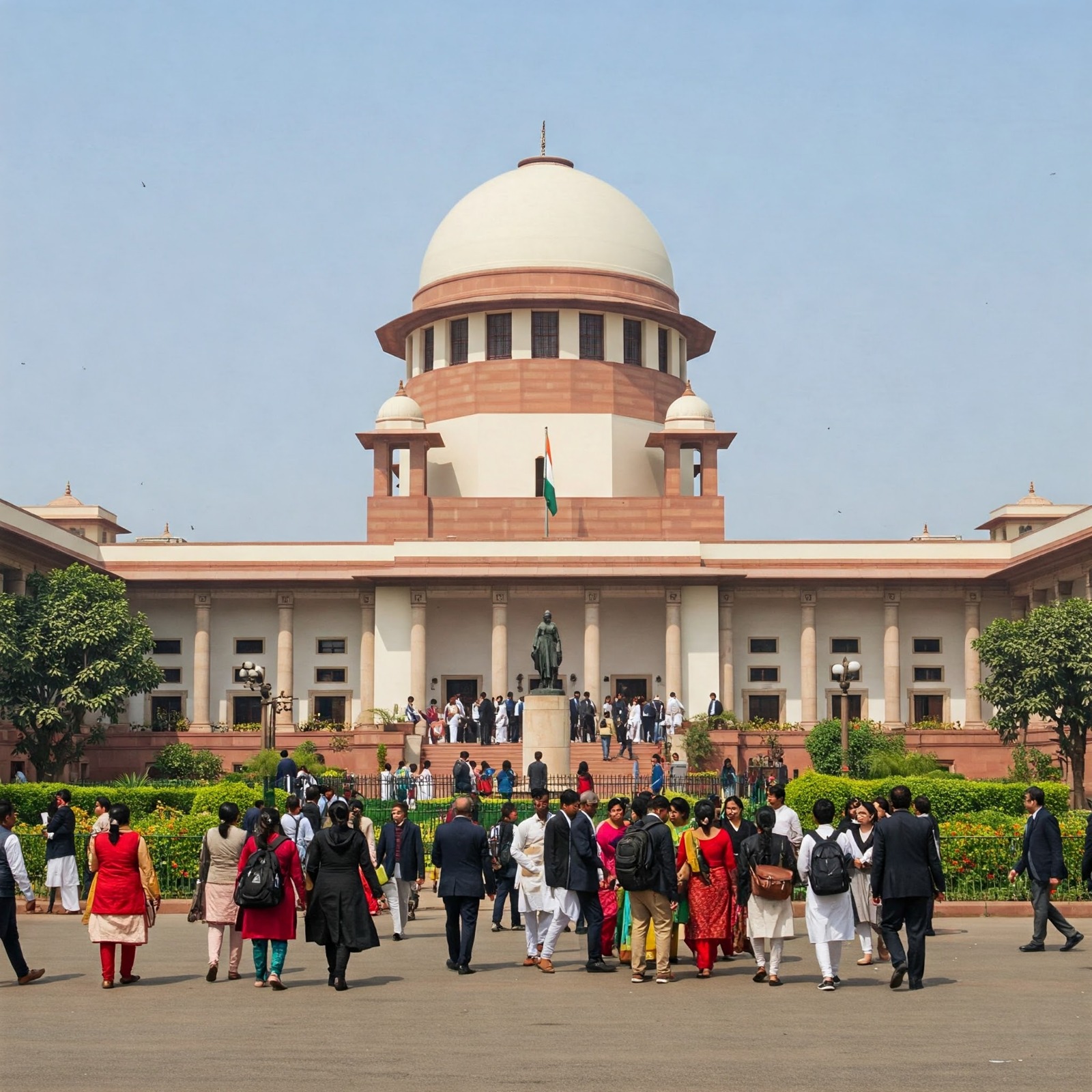
COURT: Supreme Court of India
BENCH: Justice R.P. Sethi and Justice S.S. Ahmed
OVERVIEW:
The case of Lily Thomas, Etc. Etc. v. Union of India & Ors., 2000(2) ALD (Cri) 686, dealt with the issue of fraudulent religious conversions for the purpose of contracting a second marriage. The petitioner, Lily Thomas, along with other co-petitioners, challenged the practice where individuals converted to Islam solely to bypass the restrictions of monogamy under the Hindu Marriage Act, 1955. The petitioners argued that such conversions were not genuine expressions of faith but were instead misused as a legal loophole to enter into multiple marriages. The Supreme Court of India ruled that a mere conversion to Islam, without a bona fide change of belief, would not automatically dissolve the previous marriage contracted under Hindu law. The Court held that such individuals would still be bound by the provisions of their original personal law, and contracting a second marriage without dissolving the first would amount to bigamy under Section 494 of the Indian Penal Code (IPC). This judgment reinforced the principle that religious conversion should not be used as a tool to evade legal obligations and ensured protection of the first spouse's rights.
FACTS:
The case arose from the practice of individuals converting to Islam solely to circumvent the monogamy rule under the Hindu Marriage Act, 1955. The primary petitioner, Lily Thomas, along with other co-petitioners, sought judicial intervention to address the misuse of religious conversion as a means to contract a second marriage without legally dissolving the first. The case was brought before the Supreme Court as a public interest litigation (PIL), highlighting the exploitation of religious laws to bypass the legal consequences of bigamy. The petitioners contended that such fraudulent conversions were not driven by genuine faith but were a mere facade to exploit the provisions of Muslim personal law, which permits polygamy. The petition also argued that this practice undermined the rights of the first wife, leaving her without legal protection, as her husband would claim immunity from prosecution for bigamy by virtue of religious conversion.
The circumstances leading to the Supreme Court's involvement stemmed from multiple cases across India where individuals misused religious conversion as a legal loophole. One prominent case that influenced this litigation was Sarla Mudgal v. Union of India (1995), where the Court had previously ruled that conversion to Islam for the sole purpose of entering into a second marriage amounted to bigamy. However, the issue continued to persist, prompting Lily Thomas and others to seek a definitive ruling to prevent such misuse. The judicial history of the case saw the petitioners directly approaching the Supreme Court under Article 32 of the Constitution, claiming a violation of the fundamental rights of the first wife. They argued that the practice of fraudulent conversion deprived the first wife of her marital rights and financial security, while the husband exploited the legal framework to avoid criminal liability.
The violations suffered primarily centered around the breach of the first wife’s right to equality and protection under the law. Women whose husbands had fraudulently converted to Islam to marry again were left in legal limbo, as they could no longer claim protection under the Hindu Marriage Act, despite the continuation of their original marriage. This led to the denial of maintenance, inheritance rights, and social security for the first wife. The petitioners contended that such fraudulent religious conversions not only violated the principles of natural justice but also amounted to a breach of constitutional rights, particularly under Articles 14 and 21. The Supreme Court’s intervention was thus sought to prevent the abuse of religious conversion as a shield against bigamy laws and to uphold the rights of women affected by this practice.
ISSUES:
Whether there should be Uniform Civil Code for all citizens?Whether a Hindu Husband can solemnise second marriage by converting to Islam?
Whether the husband would be liable for bigamy under section 494 of IPC?
LEGAL PROVISIONS:
Section 494 of the Indian Penal Code (IPC), 1860 – Punishment for bigamy.
Section 495 of the Indian Penal Code (IPC), 1860 – Punishment for concealing a former marriage.
Hindu Marriage Act, 1955 – Particularly Section 17, which criminalizes bigamy among Hindus.
Muslim Personal Law (Shariat) Application Act, 1937 – Governing marriage and polygamy among Muslims.
Article 14 of the Constitution of India – Right to equality.
Article 21 of the Constitution of India – Right to life and personal liberty.
Article 32 of the Constitution of India – Right to constitutional remedies.
CASES CITED:
Sarla Mudgal v. Union of India (1995) 3 SCC 635
Re: The Berubari Union and Exchange of Enclaves AIR 1960 SC 845
Krishna Singh v. Mathura Ahir (1981) 3 SCC 689
Mohd. Ahmed Khan v. Shah Bano Begum (1985) 2 SCC 556
State of Bombay v. Narasu Appa Mali AIR 1952 SC 84
Lata Singh v. State of U.P. (2006) 5 SCC 475
Javed v. State of Haryana (2003) 8 SCC 369
Chandra Mohan v. State of U.P. AIR 1966 SC 1987
Rev. Stanislaus v. State of Madhya Pradesh (1977) 1 SCC 677
Pannalal Bansilal Pitti v. State of Andhra Pradesh (1996) 2 SCC 498
JUDGEMENT WITH REASONING:
The Supreme Court held that a mere conversion to Islam for the purpose of contracting a second marriage does not automatically dissolve the first marriage solemnized under Hindu law. The Court ruled that if a person converts to Islam solely to evade the monogamy provisions of the Hindu Marriage Act, 1955, the conversion would be deemed invalid for the purpose of bigamy. It affirmed that the first marriage would remain legally valid, and any subsequent marriage contracted without dissolving the first would amount to bigamy under Section 494 of the Indian Penal Code. The Court emphasized that religious conversion should be genuine and not a tool to bypass personal laws or legal obligations. It also clarified that the fundamental right to religious freedom under Article 25 of the Constitution does not include the right to convert merely to commit a legal wrong.
The Supreme Court, in its detailed reasoning for the judgement emphasized that religious conversion cannot be used as a shield to commit bigamy. The Court reasoned that while Article 25 of the Constitution guarantees the freedom to practice and propagate religion, it does not protect conversions made solely to evade the legal consequences of existing marital obligations. The Court held that a mere conversion to Islam, without a genuine change of faith, would not automatically dissolve the first marriage solemnized under the Hindu Marriage Act, 1955. It concluded that the first marriage would remain legally valid unless dissolved through a decree of divorce under the applicable personal law. Thus, if a Hindu husband converted to Islam solely to contract a second marriage without dissolving the first, he would still be liable for bigamy under Section 494 of the Indian Penal Code. The Court reasoned that such fraudulent conversion amounted to an abuse of personal laws and was contrary to the principles of justice and fairness.
The Court further observed that the right to religious freedom cannot be interpreted in a manner that infringes upon the legal rights of the first spouse. It highlighted that permitting such conversions to justify bigamy would violate the principles of gender justice and equality enshrined under Articles 14 and 21 of the Constitution. The Court noted that while Muslim personal law permits polygamy, a Hindu husband cannot circumvent the monogamy rule by merely converting to Islam without genuinely embracing the faith. It concluded that the law must protect the first wife from being deprived of her legal rights due to the husband’s fraudulent conversion.
As for the reliefs granted, the Court declared that any marriage contracted by a Hindu man after converting to Islam, without legally dissolving the first marriage, would be void and punishable under Section 494 of the Indian Penal Code. The Court directed that the first wife would continue to have the right to maintenance, property, and legal protection, as her marital status remained unaffected by the fraudulent conversion. Additionally, the Court reiterated the need for legislative reforms to prevent the misuse of religious conversion for unlawful purposes and called upon the government to consider enacting uniform civil laws to promote gender justice and equality.
CRITICISMS:
The judgement in Lily Thomas v. Union of India has faced criticism on several grounds. One of the primary concerns raised is that it potentially infringes upon the fundamental right to religious freedom guaranteed under Article 25 of the Constitution. Critics argue that the Court’s decision to scrutinize the genuineness of religious conversions creates a subjective standard, which could lead to judicial overreach into matters of personal belief and faith. By linking the validity of conversion to the intention behind it, the judgement is seen as imposing a restrictive interpretation of religious liberty. Additionally, some scholars contend that the ruling undermines the principles of personal law by subjecting religious conversions to the scrutiny of civil law standards, thereby interfering with the autonomy of religious practices.
Another criticism is that the judgement disproportionately impacts men who convert to Islam, while overlooking the broader issue of gender inequality in marriage laws. The ruling specifically addresses bigamy by Hindu men converting to Islam but does not address similar situations arising under other personal laws. This selective application has been viewed as discriminatory and inconsistent with the principles of equality under Article 14. Furthermore, legal experts argue that the judgement fails to consider the complexities of religious conversions, which may be influenced by factors beyond marital status. By treating all conversions under such circumstances as fraudulent, the ruling may create obstacles for individuals seeking genuine conversions, potentially subjecting them to legal consequences without sufficient cause.
Lastly, the judgement has been criticized for lacking clarity on the legal status of children born from second marriages contracted after conversion. The ruling does not explicitly address the rights of such children, raising concerns about their legitimacy and inheritance rights. Additionally, while the Court called for legislative reforms to prevent the misuse of religious conversion, no concrete guidelines or recommendations were provided, leaving the matter open to legislative ambiguity. Critics argue that while the judgement aims to protect the rights of first wives, it falls short of offering a comprehensive legal framework to address the broader issues related to religious conversion, marriage, and personal law reforms.
ANALYSIS:
The judgement in Lily Thomas v. Union of India reflects a significant legal and social intervention aimed at preventing the misuse of religious conversion to bypass marital obligations. The Supreme Court’s analysis centered on striking a balance between the right to religious freedom and the protection of women’s rights under personal laws. The Court interpreted Article 25 of the Constitution, which guarantees the freedom of religion, in a restrictive sense by holding that this right does not extend to converting solely for the purpose of evading the legal consequences of bigamy. By doing so, the Court reinforced the principle that religious conversion must be a genuine expression of faith and not a tool for circumventing legal responsibilities. This reasoning upheld the sanctity of the Hindu Marriage Act, 1955, by ensuring that a fraudulent conversion does not dissolve the first marriage, thereby protecting the legal rights of the first wife.
The judgement also highlighted the importance of gender justice by preventing men from exploiting religious conversion to contract multiple marriages. The Court’s ruling effectively closed a legal loophole that allowed Hindu men to evade bigamy laws by converting to Islam. It upheld the right to equality and personal liberty under Articles 14 and 21 of the Constitution, ensuring that women affected by such practices were not left without legal recourse. The ruling further recognized that the legal obligations of a marriage cannot be unilaterally dissolved by conversion without the consent of the first spouse or a valid divorce decree. This reasoning reinforced the notion that the legal framework governing marriage and divorce cannot be manipulated through deceptive religious conversions.
Moreover, the Court’s call for legislative reforms highlighted the need for a uniform civil code to prevent such exploitation. By advocating for legislative action, the judgement underscored the inconsistencies in India’s personal laws and the potential for their misuse. However, the Court refrained from directly addressing the broader complexities of religious conversions, focusing instead on preventing the misuse of conversion for bigamy. While the ruling effectively protected the rights of first wives, it also sparked debates about the balance between religious freedom and the regulation of personal laws. Overall, the judgement serves as a landmark ruling aimed at curbing the abuse of religious conversion, promoting gender equality, and reinforcing the integrity of India’s legal framework governing marriage and family law.
 info@adhwaitha.com